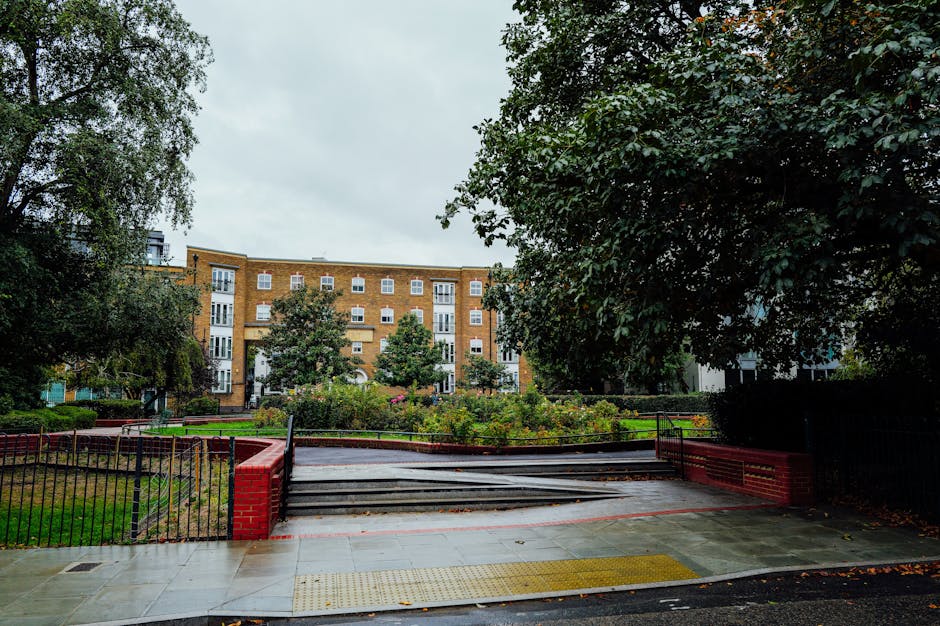
East Ham estate guide top gardeners for communal gardens
If you live in East Ham and share outdoor space with neighbours, you already know communal gardens can be a blessing and a headache in the same week. One day the lawn looks tidy and welcoming; the next, the grass is patchy, the hedges are leaning out of shape, and everyone has a different opinion about what "well kept" actually means. This East Ham estate guide top gardeners for communal gardens is here to make that easier. It explains how shared garden maintenance works, what good gardeners actually do, and how to choose a reliable team that can keep an estate garden looking cared for without creating more drama than it solves.
Whether you manage a small block, a larger residential estate, or a mixed-use property with shared planting beds, the basics are the same: consistency matters, communication matters, and the right gardener saves you time, money, and those awkward email threads no one enjoys. Let's break it down properly.
Why East Ham estate guide top gardeners for communal gardens Matters
Communal gardens are not just "nice extras". On an East Ham estate, they affect how residents feel about where they live, how visitors see the property, and how much day-to-day maintenance builds up over time. A neglected shared garden can quickly become overgrown, uneven, and expensive to restore. A well-run one feels calmer straight away. You notice it the moment you walk through it.
For residents, communal outdoor space often has to do a lot of jobs at once. It might be a shortcut path, a play area, a place to sit with a cuppa, or just the view from a living room window on a grey Tuesday morning. That means it needs more than a quick mow now and again. It needs structure, seasonal planning, and people who understand the difference between routine tidying and proper grounds care.
In practice, the best gardeners for estate work think in layers. They keep the lawn under control, manage hedges before they become a nuisance, remove green waste cleanly, and spot small problems early. That last bit is underrated. A little dead patch, a blocked drain cover, a broken edging strip - these small things tend to snowball if nobody pays attention.
If you are comparing providers, it helps to think beyond price alone. A cheap one-off cut can look fine for three days. A good communal garden service keeps the whole place stable, neat, and easier to manage through the year. That's the real value.
How East Ham estate guide top gardeners for communal gardens Works
Shared garden maintenance usually starts with an inspection or walkthrough. The gardener looks at lawn condition, hedge growth, border weeds, access points, waste handling, and any recurring problem areas. In estates, this first look matters because no two sites behave the same. A windy corner, a shaded strip near the building, or a patch where dog traffic is common will all need different handling.
From there, a sensible maintenance plan is created. It normally includes a mixture of routine and seasonal tasks:
- regular lawn mowing and edging
- hedge trimming and shrub shaping
- weed control and border tidy-ups
- leaf clearance and litter removal
- green waste collection and disposal
- occasional garden clearance after storms or seasonal growth surges
For more involved estate work, some properties also benefit from broader outdoor improvements, such as landscape gardening or longer-term landscaping support. That can include improving tired beds, restoring shape to communal planting, or making the space feel more usable without making it look over-designed. People sometimes assume communal gardens need to be fancy. They usually just need to be ordered.
Top gardeners will also know how to work around residents. That sounds obvious, but it matters. Shared gardens often have prams, bins, washing lines, parked bikes, and people coming and going. A professional gardener plans the visit so they can work safely and cause minimal disruption. No one wants a mower blasting at 8 a.m. outside a bedroom window unless the timing has been agreed. Truth be told, a bit of consideration goes a very long way.
And yes, the best teams usually keep communication simple: what will be done, when it will happen, and what's been spotted that may need attention next. That clarity is gold.
Key Benefits and Practical Advantages
A good communal garden service does much more than improve appearances. The advantages are practical, social, and financial.
- Shared pride in the property: residents tend to treat well-kept spaces better.
- Lower long-term repair costs: regular maintenance stops small issues from becoming major restoration jobs.
- Better safety and access: tidy paths, controlled growth, and clear sightlines reduce trip hazards and awkward bottlenecks.
- Less resident tension: if the garden is looked after consistently, fewer people feel they need to complain.
- Improved seasonal resilience: a garden that is managed properly copes better with heat, rain, and fast spring growth.
There is also a quieter benefit that people often overlook: a sense of order. In estate settings, small cues matter. A clipped hedge, swept path, and healthy lawn tell people the property is cared for. That tends to influence how residents feel about the whole place, not just the garden itself.
For estate managers, another advantage is predictability. With the right gardeners, routine work becomes easier to budget and plan. If you want to understand the wider service picture, it may help to review a broader services overview before deciding what level of support your site actually needs.
And let's face it, no one wants to spend half the year chasing basic tidying. Better to set things up properly once.
Who This Is For and When It Makes Sense
This kind of estate gardening is a good fit for:
- housing estates with shared green areas
- flats or maisonettes with communal front or rear gardens
- resident management companies
- property managers and landlords with multiple tenancies
- housing associations overseeing shared external spaces
- blocks where residents want a regular, dependable maintenance schedule
It makes the most sense when the garden is used by more than one household and nobody wants to take full responsibility alone. If one resident keeps trying to "just do a bit at the weekend", it usually ends the same way: uneven work, unfinished corners, and a quiet sense of resentment. Not ideal.
This approach is also sensible when the garden has become harder to manage than it first looked. Maybe the hedges have got too tall, the lawn is thin in places, or the borders are full of self-seeded growth. In those cases, a combination of garden maintenance and garden clearance may be the most practical route.
If you are still deciding, ask one simple question: is this a space that needs occasional tidying, or a site that needs dependable ongoing care? If it is the second one, you're in communal garden territory.
Step-by-Step Guidance
Here is a straightforward way to approach communal garden care in East Ham without overcomplicating it.
- Walk the site properly. Look at lawns, borders, hedges, trees, paths, bins, access gates, and drainage points. Stand in a few different spots. You'll notice problem areas quickly once you slow down.
- List what actually needs doing. Separate routine work from one-off improvements. For example, mowing and edging are regular tasks, while reshaping an overgrown corner may be a one-off job.
- Agree how often the work should happen. Some gardens need weekly attention in spring and summer, then less frequent visits in colder months. Others are happier on a gentler schedule.
- Set responsibility clearly. Who approves the work? Who gets updates? Who handles resident questions? Small things, but they prevent a lot of confusion.
- Choose the right service mix. That might include mowing, hedge trimming, border tidying, and occasional tree work. If there are taller branches or damaged trees, a specialist service such as tree lopping and removal may be needed.
- Keep records of visits and issues. Even a simple email trail helps. It makes follow-up smoother and gives everyone a shared reference point.
- Review the results after a few visits. A good gardener should be able to adjust the approach once they see how the site behaves through the seasons.
If you like things in practical terms, imagine the garden as a living shared room outside. It needs regular care, occasional deep cleaning, and a few bits of maintenance that stop it slipping back into a mess. That is the rhythm.
Expert Tips for Better Results
From experience, the best communal gardens are rarely the ones with the most elaborate planting. They are the ones with a sensible routine and a team that notices detail. Here are a few tips that make a real difference.
- Prioritise access before appearance. If paths are blocked, the garden becomes awkward to use even if the lawn looks neat.
- Trim before the hedge becomes a problem. Waiting too long makes the job heavier, slower, and less tidy. Regular hedge trimming is usually better than a dramatic once-a-year cut.
- Plan around growth cycles. Spring growth in London can be surprisingly fast after a wet spell. Then, a warm week later, everything seems to rush ahead at once.
- Use the right grass approach. Communal lawns often need a consistent mowing pattern to avoid scalping and patchiness. A proper lawn mowing schedule matters more than people think.
- Respect residents' routines. Early mornings, school runs, bin days, and work-from-home habits all affect the best time to work.
- Keep planting simple where possible. Low-maintenance borders are usually easier to manage than complicated beds full of plants no one can identify by Thursday.
Another useful habit: ask for observations, not just task completion. A gardener who says, "The lawn is fine, but the shaded area is thinning and the back hedge is catching wind," is giving you useful information, not just ticking a box.
That difference matters. A lot.
Common Mistakes to Avoid
Communal garden management often goes wrong in the same predictable ways. The good news is that they are avoidable.
- Choosing only on price. Cheapest is rarely cheapest once extra visits, poor finish, or missed detail are factored in.
- Letting the work become reactive. Waiting until the space looks bad usually means the job is more expensive and more disruptive.
- Ignoring waste removal. Clippings, branches, and cuttings need proper handling. Piles left behind quickly make a tidy job look unfinished.
- Not agreeing who decides. If nobody has authority, minor issues can sit unresolved for months.
- Overcomplicating the garden. Fancy planting can be lovely, but if nobody has the time to maintain it, it will become a burden.
- Forgetting seasonal changes. A schedule that works in July may be wrong in November.
One especially common mistake is assuming every part of the garden needs the same amount of attention. It doesn't. The sunny front edge, the shaded rear strip, and the windy corner by the car park will each need a different approach. That's normal.
Also, don't let minor neglect slide too long. A few weeds become a bed. A bed becomes a patch. A patch becomes a patchy estate group chat. Nobody wants that.
Tools, Resources and Recommendations
Good estate gardeners bring the right equipment, but they also use the right approach. Here is what usually matters most.
| Need | Helpful method | Why it matters |
|---|---|---|
| Lawn care | Regular mowing, edging, and seasonal feeding where appropriate | Keeps shared lawns even, healthier, and easier to use |
| Overgrown areas | Selective clearance rather than rushing through everything | Prevents damage and makes the site easier to recover |
| Hedges and shrubs | Scheduled trimming and shape maintenance | Stops growth from blocking paths, windows, or sightlines |
| Surface upgrades | Consideration of decking or hard landscaping where suitable | Can improve usability in specific communal areas |
| Long-term planning | Seasonal maintenance calendar and site notes | Helps keep work consistent and predictable |
Depending on the site, you may also need services that support the whole outside area rather than just the planting. For example, some estates benefit from decking services where a shared seating area or access space needs a more durable surface. Not every property needs that, of course. But when it is right, it really changes how people use the garden.
It can also help to work with a company that explains processes clearly and is open about how jobs are managed. If you want to understand who is behind the work, a quick look at the about us page can be useful before you request a visit.
Small thing, but useful: ask how waste is handled too. A tidy finish should include proper disposal, not a pile tucked behind a bin store.
Law, Compliance, Standards, or Best Practice
For communal gardens, the main thing is to follow sensible UK best practice around safety, access, and property management. This is not usually about complicated legal theory; it is about doing the job carefully and documenting what matters.
Depending on the site, estate managers should think about:
- Safe working practices: tools, equipment, and access routes should be managed to reduce risk to residents and workers.
- Insurance awareness: anyone working on shared property should be appropriately covered for the tasks they carry out.
- Clear communication: residents should know when access might be limited or when larger works are due.
- Waste handling: green waste should be removed or recycled in line with the agreed service and local expectations.
- Respect for privacy and quiet enjoyment: timing matters in shared residential settings.
If you are comparing providers, it is reasonable to ask about safety procedures and how they manage site risk. A proper contractor should be able to explain this simply. You should not need to decode jargon. If their explanation sounds slippery, that is a sign to pause.
It may also help to look at the contractor's approach to insurance and safety and health and safety policy so you know what standards they work to. For some estate managers, the wider recycling and sustainability approach matters too, especially where green waste is generated regularly.
Best practice is simple: be clear, be safe, and keep a record of what has been agreed. That is usually enough to avoid unnecessary friction.
Options, Methods, or Comparison Table
There is more than one way to manage communal gardens, and the best option depends on the site size, resident expectations, and budget. Here is a practical comparison.
| Approach | Best for | Pros | Watch-outs |
|---|---|---|---|
| Ad hoc visits | Small spaces with low use | Simple and flexible | Can become inconsistent very quickly |
| Scheduled maintenance | Most estate gardens | Reliable, predictable, easier to budget | Needs clear agreement and regular review |
| Reactive clearance only | Very neglected spaces or short-term fixes | Useful for initial recovery | Does not keep the garden in good shape long term |
| Maintenance plus improvements | Sites needing both routine care and uplift | Best long-term result, stronger visual impact | Requires more planning and a wider budget |
For many East Ham estates, scheduled maintenance is the sweet spot. It gives the garden enough attention to stay presentable without turning the service into something overly complicated. If the site has deeper issues, a one-off recovery visit can be followed by a proper routine.
That is usually the sensible order: sort the mess, then keep it sorted.
Case Study or Real-World Example
Picture a small East Ham estate with a shared rear garden behind two blocks. The space has a narrow lawn, a couple of hedges, some tired borders, and a path that collects leaves after windy weather. Residents have been doing bits themselves, but the results are patchy. One person mows too short. Another trims the hedge unevenly. Someone else leaves clippings by the bins because they are in a rush. You can probably see where this is going.
The first sensible move is a full tidy-up. The lawn is reset, the hedge is shaped back properly, the borders are cleared, and the path is swept. Then a maintenance rhythm is put in place. The lawn is cut at the right height, hedges are trimmed before they get unruly, and the space is checked each visit for rubbish, weeds, and small issues that may be building up.
After a few weeks, the difference is less about "wow, new garden" and more about comfort. Residents stop complaining about the same corners. The space feels usable again. Even on a damp morning, with that cold London air and a few leaves underfoot, it looks cared for. That counts for a lot.
The key lesson? Recovery work is only half the job. The other half is keeping the momentum going. Without that, the estate slips back. With it, the whole space starts to settle.
Practical Checklist
Use this quick checklist when planning communal garden maintenance in East Ham:
- Have you walked the whole site and noted the problem areas?
- Do you know what needs routine care and what needs one-off clearance?
- Has a clear maintenance frequency been agreed?
- Are mowing, hedge trimming, and waste removal included where needed?
- Do residents or managers know who to contact about access or timing?
- Has safety and insurance been checked?
- Are tree issues, damaged branches, or tall growth being assessed properly?
- Is there a simple way to review the work after each visit?
- Have you considered whether the garden needs basic maintenance or broader landscaping support?
- Is the approach realistic for the people who actually live there?
Expert summary: the best communal garden setup is the one that is easy to maintain, easy to understand, and consistent enough that nobody has to keep "starting over". That is the real win.
Get a free quote today and see how much you can save.
Conclusion
Choosing top gardeners for communal gardens in East Ham is really about finding people who understand shared spaces, not just grass and hedges. A strong gardener brings routine, calm communication, safe working habits, and a practical eye for what will keep the site looking good over time. That is what residents notice. That is what property managers rely on.
If you get the balance right, communal garden care stops feeling like a problem that keeps returning and starts feeling like one less thing to worry about. A neat path, healthy lawn, and tidy border can change the feel of a whole estate. Quietly, but meaningfully.
If you are ready to compare options or move from reactive fixes to a proper plan, start with a clear site review and ask the questions that matter. The right support is usually simpler than people expect, and a lot more reassuring too.
In the end, a shared garden should feel lived in, not fought over. That's the goal.
Frequently Asked Questions
What does a communal garden gardener actually do?
A communal garden gardener handles regular tasks such as mowing, hedge trimming, border tidying, weed control, leaf clearance, and waste removal. They also help keep the space safe, neat, and usable for everyone who shares it.
How often should an East Ham estate garden be maintained?
It depends on the size of the site, the season, and how fast the garden grows. Many communal gardens benefit from more frequent visits in spring and summer, then lighter attention later in the year. A proper site review usually gives the clearest answer.
Is it better to hire one gardener or a full maintenance team?
For smaller communal areas, one capable gardener may be enough. Larger estates or sites with a lot of hedging, clearance work, or seasonal growth often do better with a team that can cover everything efficiently. It is not about size for the sake of it; it is about matching the workload.
What should be included in a communal garden maintenance plan?
A good plan usually includes mowing, edging, hedge trimming, weed control, litter picking, green waste removal, and seasonal checks for overgrowth or damage. Some sites may also need garden clearance or landscaping improvements if the space is more tired.
How do I know if a gardener is suitable for an estate or block of flats?
Look for clear communication, sensible scheduling, safe working practices, and a practical understanding of shared spaces. They should be able to explain what they will do, how often, and how they handle waste and access. If their answer is vague, that is worth noticing.
Can communal gardens be improved without a full redesign?
Yes, absolutely. Many shared gardens improve a lot from better maintenance alone. Simple changes like tidier edges, healthier lawns, cleaner paths, and more controlled planting can make the whole space feel better without major works.
What happens if the garden has become overgrown?
That usually calls for a one-off clearance before regular maintenance begins. Once the space is back under control, it is far easier to keep it that way with a routine schedule. Starting with maintenance only can feel like bailing water without fixing the leak.
Do communal garden jobs need insurance or safety checks?
They should. Any professional working on shared property should have suitable safety practices and appropriate insurance for the work they carry out. It is a sensible question to ask before any agreement is made.
What is the difference between garden maintenance and landscaping?
Garden maintenance is ongoing care: mowing, trimming, tidying, and keeping things under control. Landscaping is broader and usually involves changes to the layout, surfaces, planting structure, or the way the garden is used. Both can be useful, but they solve different problems.
How do we avoid residents arguing about the garden?
Clarity helps more than anything else. Agree the scope of work, the schedule, and who makes decisions. Once people know what is planned, there is far less room for misunderstandings. Shared spaces always work better when expectations are simple and visible.
What should I ask for before booking a gardener for a communal garden?
Ask what tasks are included, how often visits will happen, whether green waste is removed, how safety is handled, and what happens if the site needs extra work. You can also ask how they approach seasonal growth and whether they offer follow-up visits after clearance work.
Where can I learn more about the service options available?
It helps to look through a provider's service pages and company information so you understand the range of support on offer. Pages like garden maintenance and services overview are a sensible place to start when comparing what your estate actually needs.